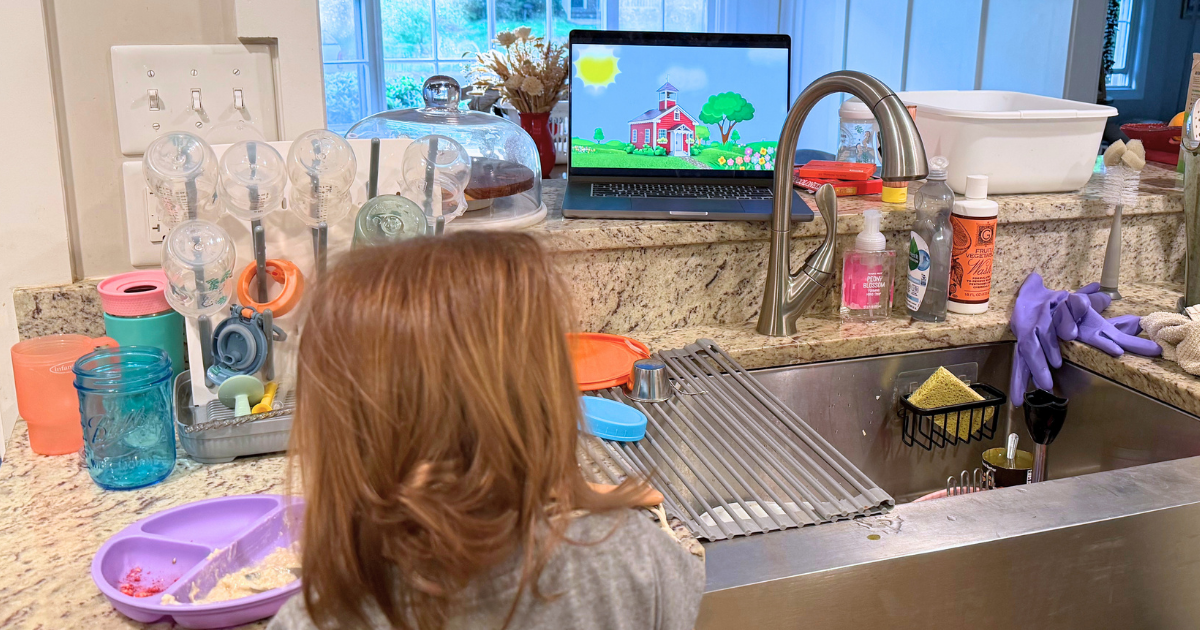
A key aspect of being more mindful is working to stay present and focused. Whether you work remotely like I do, or you work around other people, the distractions are similar. The to-do list gets overcrowded and/or project deadlines overlap, messages from coworkers perpetually pop-up, meetings get in the way of tasks that need attention. Plus, tension often builds toward the end of the day when you’re bumping up against plans outside of work. Will you finish your project in time to make it to yoga? Will you have to push a deadline to make it to school pickup on time?
Work can create a lot of tension in our lives – so have can we stay more present, focused and relaxed to make sure we’re not adding to that tension?
How to practice mindfulness at work: 5 Daily actions to reduce stress and stay on task
- Choose three priority tasks for the day
- Routinely close your browser tabs
- Respond to direct messages and emails in time blocks
- Do one task at a time
- Don’t absorb other people’s urgency as your own
Choose three priority tasks for the day
I started implementing this practice when I returned to work after maternity leave. With childcare hours in place, I have a very distinct end time to my work day: When I need to leave to pick up my daughter from daycare. Sure I can try to wrap up a task or cram in some message replies after I pick her up, but that violates my goal for more mindful parenting – it’s also just very hard to do a good job on a work task with a toddler around.
Choosing three priority tasks for the day ensures momentum – no matter what happens with meetings and revision requests and last-minute urgent items that hit your desk, it’s a solid workday to move a few key items forward. Then you have room for the rest.
Routinely close your browser tabs
I’m in the middle of a task and I just counted 34 browser tabs that I left open between Google searches, ChatGPT queries, emails, design files and calendar views. (Your turn to count yours.) That’s basic overstimulation, and there’s really no need for it. I like to routinely close most of my browser tabs except for the few I need open for my task at hand. It’s a little wave of relief.
Respond to direct messages and emails in between tasks
Nothing derails me faster than reading direct messages and emails as they pop up on my screen. To complete a task thoroughly before passing it to the next point in the workflow, I need to be focused on the details of that task. And depending on the job (I’m in marketing), most things can wait a little bit.
Once I complete a task and move it along, I can check what messages have popped up and let them inform whether I knock out a few replies and move to my next priority task for the day, or whether I shift in a different direction based on a new, urgent need.
Do one task at a time
Multi-tasking risks more errors. It’s easier to complete a task accurately – and more efficiently – if we just focus on every step that one task requires. Don’t worry about the next thing, you’ll get to it.
I’ve noticed multi-tasking (and have been guilty of it) in hybrid marketing meetings just as much as I’ve noticed it in remote marketing meetings. We’re all trying to get through our checklist for the day, and it’s easy to get sucked into trying to do it all at once, especially when there’s a big group meeting.
But it’s more productive in the long run if we’re present and focused in that meeting, get all of the necessary notes written down and actively contribute. Try waiting for the next block of quiet focus time to tackle the next pressing item on your list.
Don’t absorb other people’s urgency as your own
It can be unnerving to set your list of three priorities for the day and then get messages from multiple directions about urgent tasks. Suddenly, it feels like everything is urgent, which can make the workday feel more stressful and rushed than necessary.
It’s rarely the reality that everything is urgent. Be aware of your own priorities, be respectful of your team members’ priorities and how you can support them, and help communicate realistic timelines for getting both done. Then you can move forward with a plan to devote time and attention to each item on the evolving list – without building stress.
These five actions all add up to help make workdays feel more calm, more focused, and more mindful.