I struggled with the awful cycle of restricting and binge eating (and later bulimia) for years. And while recovery takes many steps, a key truth I learned when figuring out how to stop binge eating was: There are certain actions I just can’t do. I had to stop engaging with what I’m going to call trigger behaviors. Actions that may trigger a binge or compulsive eating.
3 Trigger behaviors to avoid, that may help prevent binge eating
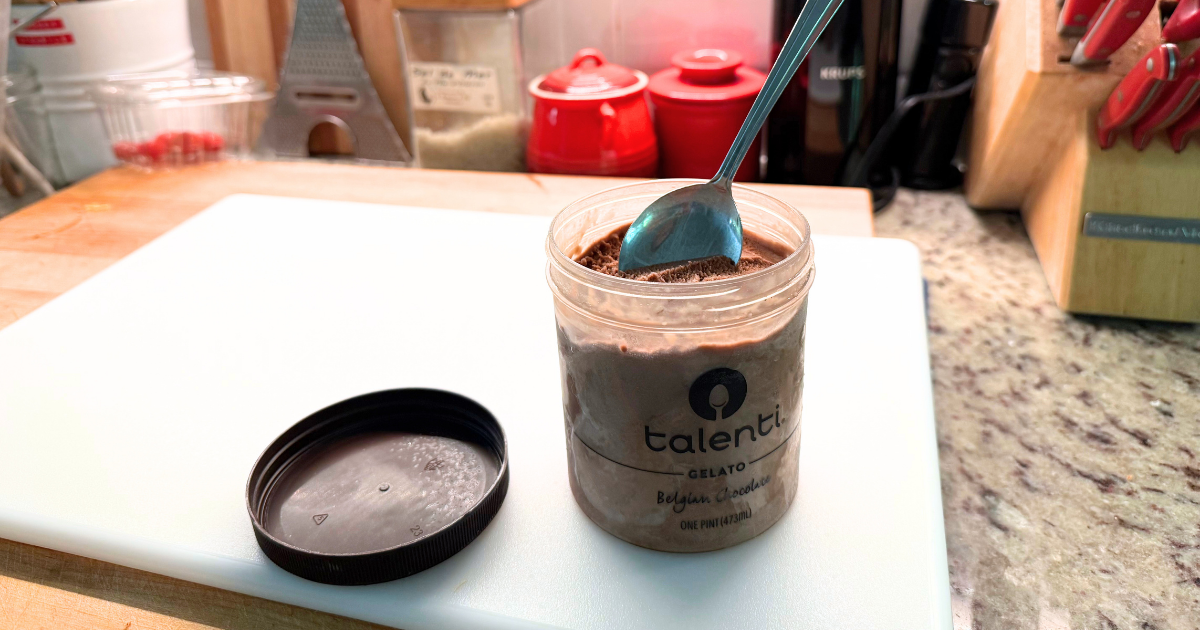
- Stand in the kitchen and eat out of an open bag or container. You lose sight of portion sizes, which can be a helpful prompt to check in on whether you’re actually still hungry, or whether you’re satisfied.
- Watch TV and eating out of an open bag or container. Being absorbed in another activity while you eat with no portion limits opens the door to mindless eating, rather than mindfully eating and focusing on whether you’re becoming satisfied or comfortably full.
- Skip or skimp on meals. This can trigger you to feel physically and emotionally deprived of nourishment, leading to more intense hunger cues and the possibility of compensating with a later binge. I prefer properly fueling with balanced meals, so my body doesn’t signal to me to overeat.
In my experience, to avoid the tailspin of binge eating and whatever might follow, I had to start consciously steering clear of triggers like these. It’s tough work; it can be so tempting to think, oh, it’ll be different this time. I’ll be better this time. I can control it this time. But then I’d touch the trigger get sucked down into a binge – again.
To get better, I had to stop engaging with these trigger behaviors. I had to choose better behaviors. Building balanced plates. Eating mindfully. Choosing other activities when the urge to binge crept up. When I started staying away from my trigger behaviors, I stopped setting myself up for failure. And over time, I stopped binge eating.
But what about trigger foods?
I deliberately emphasize behaviors as triggers. I don’t want to talk about “trigger foods,” or specific types of foods that are often believed to trigger overeating. I don’t believe I need to live a small life that excludes chocolate pie at Christmastime or that peanut butter cookie I crave from the local bakery, or this blueberry muffin my daughter wants to share. Early on in recovery, I chose to work toward living a life in which I can enjoy all foods in reasonable, mindful quantities that make my body feel good and that satisfy my soul.
And it worked. At this point, almost a decade into successful recovery, I don’t really believe in trigger foods (at least for myself). For me, the slipside into bingeing and, later, bingeing and purging, never really started with one type of food. Rather, it was the amount of whatever type of food. It was the anxiety that led me to reach for food as a coping mechanism in the first place. It was the frenzied behavior around food, when I was by myself. So the behavior that led to the overconsumption was the real trigger for me.
Just because I binge-ate M&Ms in college doesn’t mean I always will. In fact, I don’t. These days, I can keep a Costco-sized tub of M&Ms in my pantry (or even on my desk) without losing my mind. I can eat a brownie and move on with my life without hurting for more. I can eat a bowl of cheesy pasta and push away my plate, satisfied and even joyful. Getting to this point has been one of the greatest reliefs of my life.
It was never the food’s fault. It was always my behavior with the food that was at fault.
Moving away from trigger behaviors – and binge eating
Here’s why trigger behaviors are such a problem. Shoving my hand into a bag of candy on the couch. Standing in the dark kitchen with a spoon in a pint of ice cream. These trigger behaviors create a sense of unlimited access; nothing here is helping my brain understand when I might have had enough. Nothing here is indicating what amount might be truly satisfying to my body and brain.
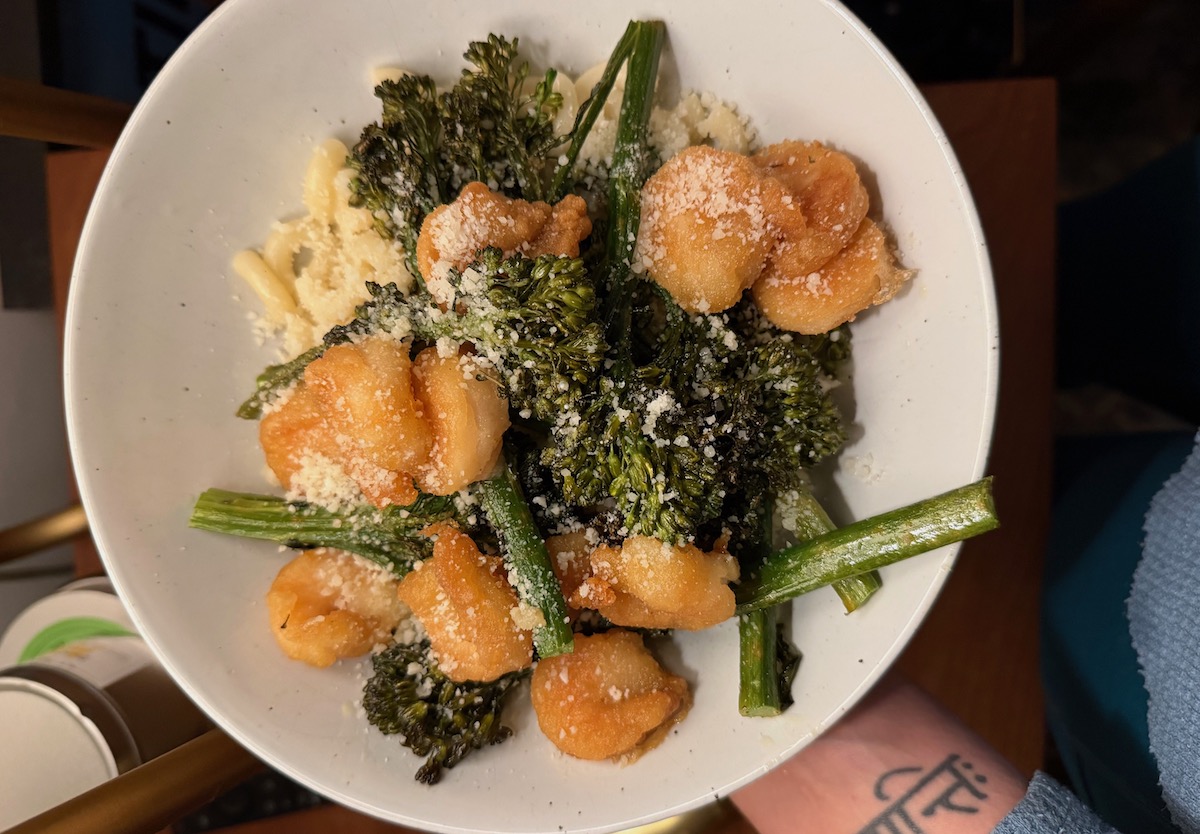
Today, I mindfully dish out a reasonable portion of chocolate into a bowl, put the bag away and then savor the chocolate. (I can always get more if I want.) I mindfully scoop a serving or two of ice cream into a dish, put the carton in the freezer, and enjoy. I mindfully twirl noodles off my dinner plate and check in on my hunger and fullness cues until I reach comfortable satisfaction. Simple, practiced awareness – different, better behaviors. No shoving, no bingeing, no purging.