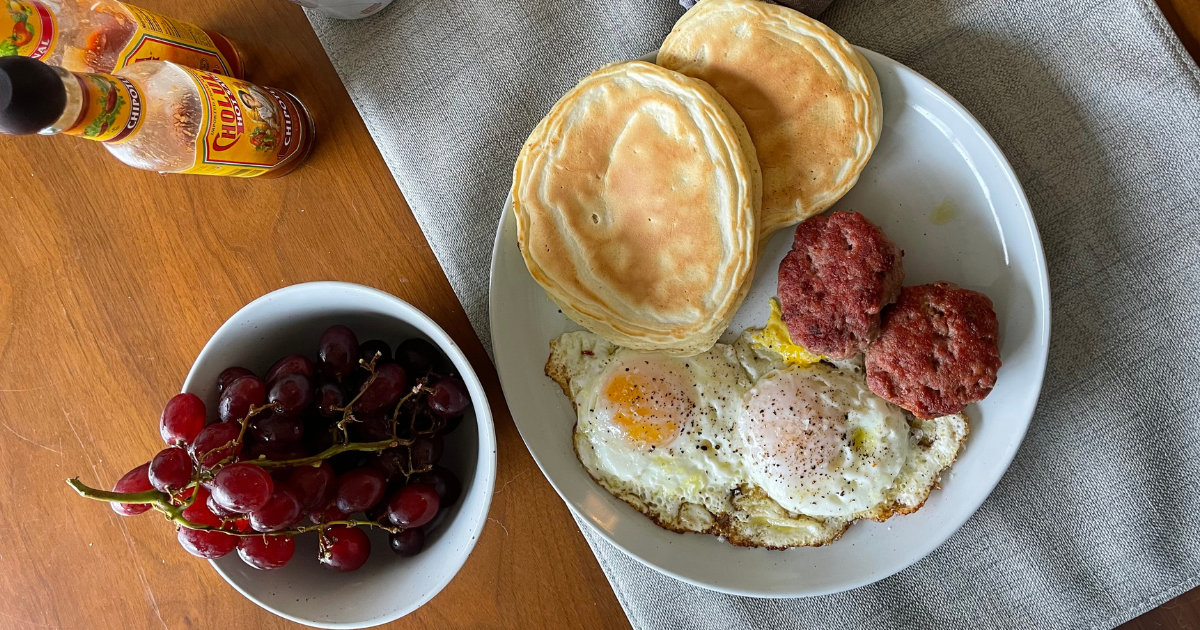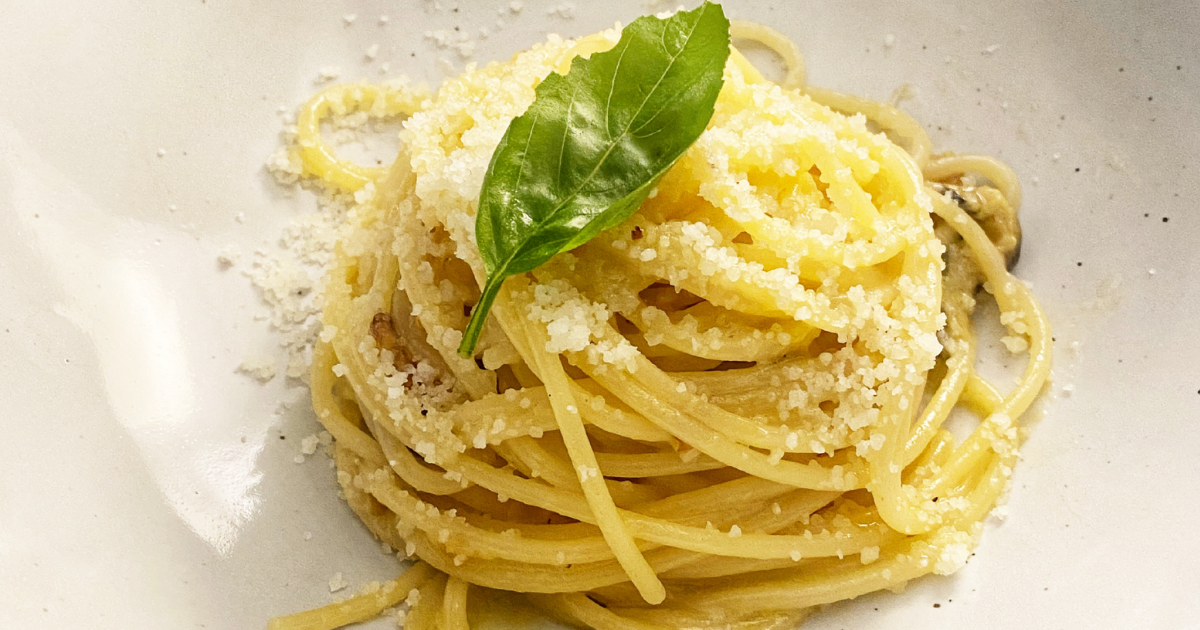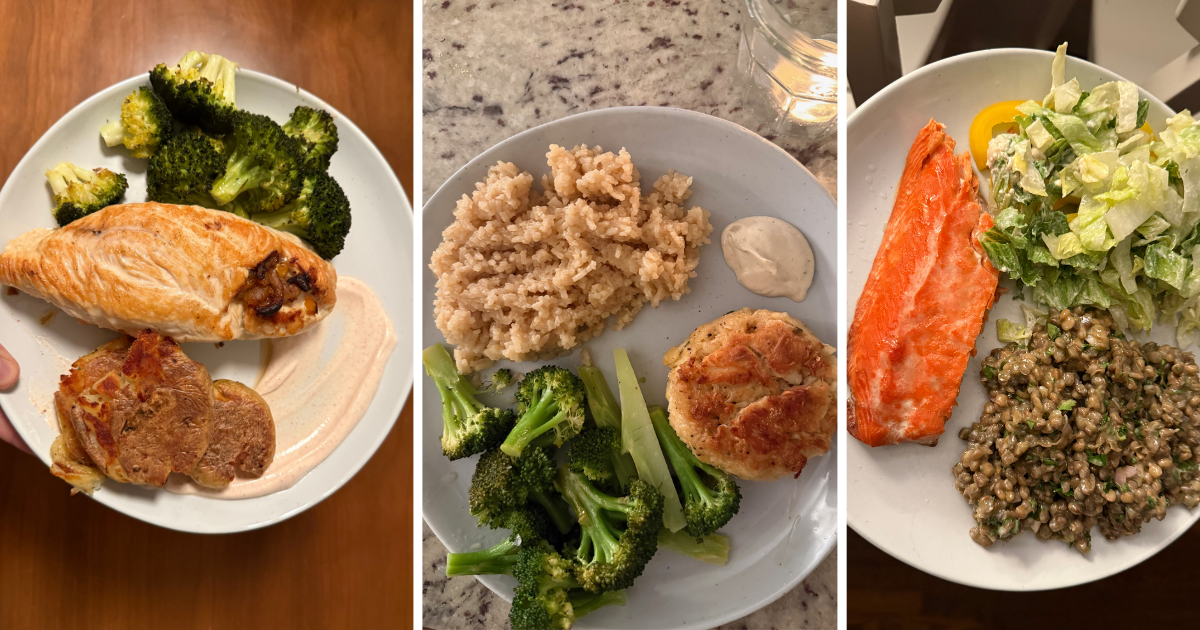
I didn’t get really good at building balanced meals until I studied nutrition. Sure, I was decent at paying attention to what my body was asking for, such as animal protein after years of vegetarianism. But what helped me add a sustainable and lasting layer to my journey to feel my best in my body was learning intuitive eating practices and learning about macronutrients and micronutrients.
I uncovered what I’d been missing: How to build a balanced plate based on a combination of my nutritional needs and my emotional needs.
It’s a balance of: What do I need + what do I want?
In short, here’s how to build a balanced meal:
- Consider what you’re hungry for
- Choose protein(s), carbohydrate(s), fat(s), plant color(s) and a craving
- Add a textural topping or side
- Thoughtfully plate your food
- If your partner is cooking, communicate to them what you need
While several steps are involved, building balanced meals can quickly become a habit. Let’s break it down.
Step 1: Consider what you’re hungry for.
Food is emotional. We want things on our plate just like we want things in our lives. So I ask myself: What’s my body asking for? But also, what do I want? Chicken? Pasta? Now’s the time to make sure those items end up on my plate. Now’s the time to avoid creating a restriction mindset by acting like I “shouldn’t” have a certain food. I should, because I want it. By allowing myself that dish (vs. obsessing over it), especially in the context of a balanced plate, I’m less likely to overthink – or overeat.
Step 2: Choose protein(s), carbohydrate(s), fat(s), plant color(s) and a craving.
Generally this covers macronutrients and micronutrients. In order to develop skills around making better choices, it helped me to learn the basics around fueling my body – what are my macronutrient and micronutrient needs?
While each of the macronutrients – the nutrients our bodies need the largest quantity of – have an array of functions, here’s the short list of how I like to remember them:
- Protein helps build and repair muscle tissues.
- Carbohydrates supply me with my body’s preferred energy source, which is glucose.
- Fat helps my body absorb and process certain vitamins, while improving satiety.
And then we have my personal favorite: micronutrients! While the body technically needs fewer of these compared to macronutrients, the vitamins and minerals in the micronutrients category are critical to long-term health and well-being. And yes, many micronutrients can be found in macronutrients, but when considering adding micronutrients to a plate, this is where plant color comes in.
And with those basics in mind, this is what I put on my plate:
- Protein(s)
- Carbohydrate (s)
- Fat(s)
- A cluster of plant color
- Something I’m craving
Example plate:
- Chicken
- Quinoa
- Avocado
- Broccoli
- A toasty wedge of sourdough
Over time, I learned to lean into variety and to experiment with what quantities of each feel best in my body. Realistically, that can change day to day. I notice if I’ve had a particularly difficult workout, I crave a bigger portion of carbohydrates – restock my energy, quick! If it’s summer and I’m losing a lot of water in my workouts, I’m craving a bigger portion of plant color – hydrate me!
It’s about paying attention to what makes sense for me day-to-day.
Step 3: Add a textural topping or side.
What’s missing that sounds satisfying? Something crunchy? Something doughy? Something crispy? Beyond macronutrient and micronutrient nourishment, the experience of food is part of the satisfaction factor.
Take the example plate above. I have a nice balance on my plate, but I might still be missing the mark with satisfaction. Texture can help. Think crispy or crunchy or doughy – whatever strikes you. Example: I could use more crunch – so perhaps I’ll add chopped almonds to my broccoli.
Step 4: Thoughtfully plate your food.
Whether I’m building a meal or building a snack, I put it on a plate. If I am standing in the kitchen with a fork and a mess of ingredients (even if they fulfill my macronutrient and micronutrient checklist), this could be a distraction from being present with my meal. (It could also be a trigger behavior for binge eating.)
Thoughtful plating or ambiance can transform the experience. It can signal a sense of: I’m creating something special for myself, even if it’s just lunchtime. I am not just creating a balanced meal, I am creating a nourishing experience.
Step 5: As needed, communicate to your partner what you need.
If you’re like me, you’re not the one in the household who makes most of the dinners. And as lucky as I am that my husband cooks, it’s still helpful to be communicative about my evolving needs with meals. My husband, for example, can sometimes be perfectly satisfied with a carbohydrate as a meal, such as a bowl of spaghetti with meatless marinara. I love that, too – but because I’m deep in the habit of building balanced meals, I want to know: Where’s the protein? Where’s the green stuff?
When he’s cooking, my husband has gotten into the habit of telling me things like: I’m making potatoes and green beans – what protein are you in the mood for?
If he forgets to ask, that’s ok, too. He might say: I’m making spaghetti tonight. And I might say: Sounds amazing, do you mind if I make a salad to go with it?
It’s a simple communication of needs. And it can keep us both in the habit of thinking: How will I build a balanced meal? It’s a simply, mutually beneficial mindset to have at home.