I know we can’t shield our kids from all the woes of the world. I know my influence on eating behaviors is just a small piece of the picture that my little girl is going to one day get amid social media and her social bubble. But because I struggled for so long with an eating disorder, it feels so important to provide the healthiest foundation I can when it comes to a healthy eating mindset and behaviors. Even when my daughter is only a year-and-a-half old.
From an emotional and physical perspective, here are 3 approaches to healthy eating for kids:
This is what I’m aiming for in our house.
(1) Provide balanced meals, but don’t force how much or what she eats.
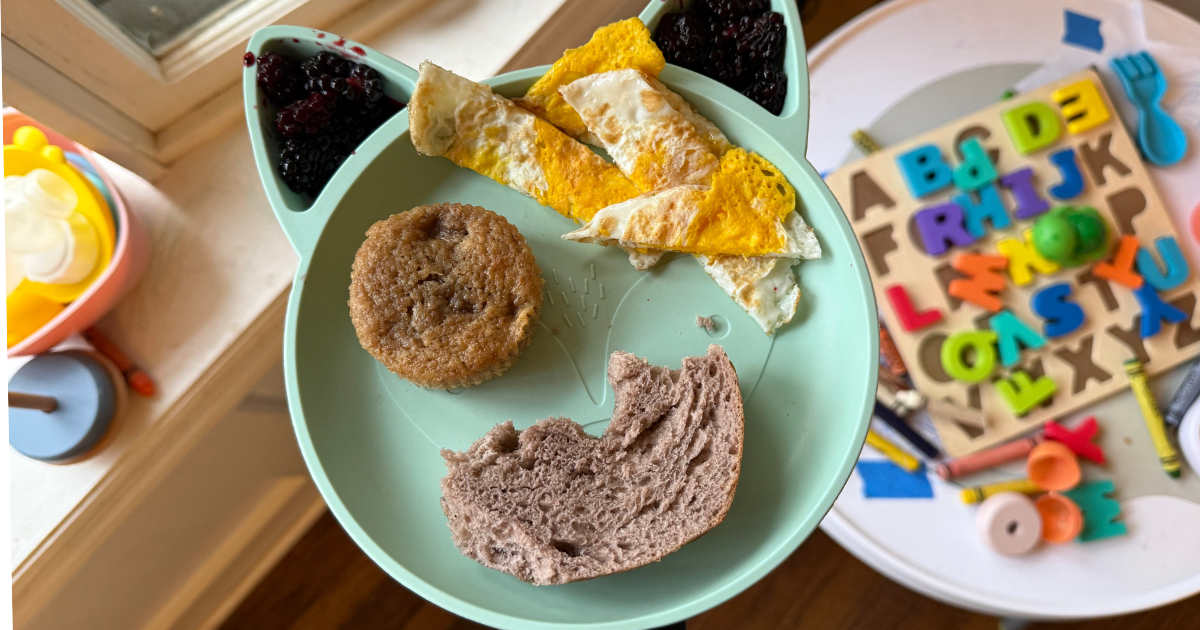
Just like I do for myself, every plate for my toddler includes protein(s), fat(s), carbohydrate(s), and plant color(s). (Even if the plant color is hidden in the form of cooked cauliflower rice and banana in oatmeal, or cauliflower/spinach/banana/strawberries in a smoothie.) There’s no expectation for her to actually eat everything on her plate, especially when she has very strong preferences about what she likes. I take solace in the fact that her pediatrician made the reasonable comment: “What she likes now isn’t what she’s always going to like.” Her plate presents a balance of foods, and she can decide what actually gets eaten.
(2) Allow daily access to treats, but in finite amounts.
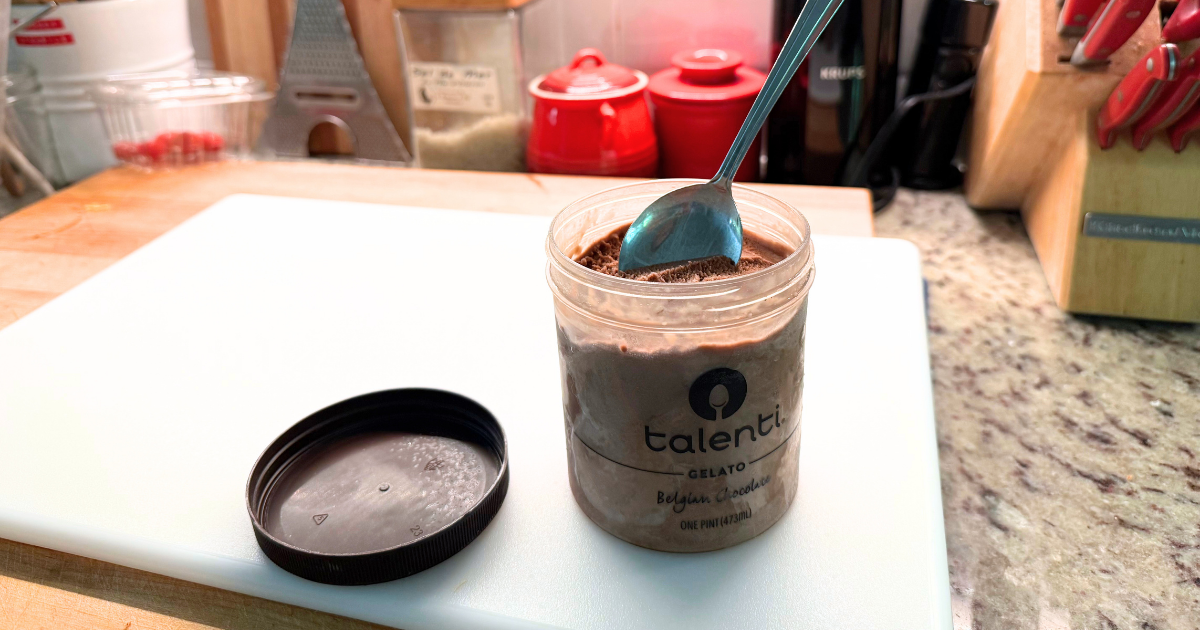
We’re in a big popsicle phase right now. To the extent that my daughter will wake up saying, “Popsicle!” My reply is always: “Later, after school!” or “Later, with dinner!” I appreciate that I grew up in a household with daily treats. We ate pretty well-rounded meals, and then there was also dessert after dinner. An ice cream cone, or an ice cream sandwich, something fun and childlike. It certainly didn’t save me from the other influences in my life that led me down the eating disorder path, but I love the sentiment to this day, and it’s been a big part of my healing. No food is off-limits, but it can be enjoyed in moderation and with joy. And preferably after at least one or two main meals have been eaten. We enjoy the treat, we’re grateful for it, then we move on. Same thing with my daughter and her popsicle.
(3) Food is fuel.
I know she won’t get it yet, but I like to make comments to my daughter such as:
- Protein will help you get stronger!
- You need your carbohydrates for energy!
- Once you finish breakfast, you’ll be fueled for the playground!
I trust it’ll sink in eventually. But it’s so easy to forget that food is essential to helping us do everything we want to do, from getting fit and strong to having basic energy for thinking and playing and working and functioning. And it’s scary to think how young people can be when this forgetting happens – eating disorder onset often happens as early as age 12.
Establishing healthy eating for kids – and healthy eating mindsets for them – can be so tricky. Even when they first start eating solid food they can be picky and fiery about what they do and do not want to put into their mouths. But we can start to build balanced meals for them to be picky with. We can help them understand what’s available and in what quantity. We can help shape a positive understanding around food, and all the amazing things it does for our bodies and our brains. We can lay a healthy foundation, in hopes that they will have a healthier relationship with food and with their bodies than we did.